
Upping Floors – Stack Blocks
Quantic BitArcade
4.118.00 Reviews
- Version
- 1.0.9
- Installs
- 10.00K
- Age Rating
- Everyone
Screenshots

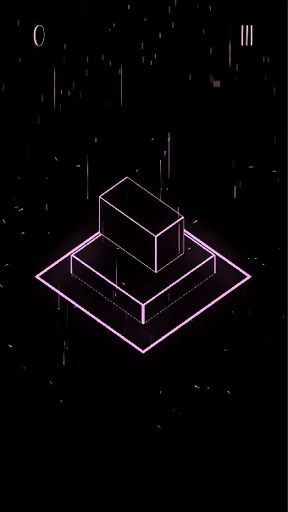

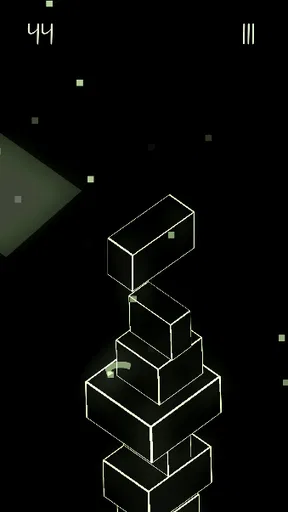
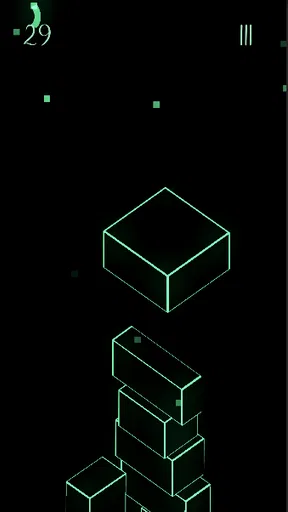
Our Review of Upping Floors – Stack Blocks
 Analysis by Appyee
When I’m deciding whether a small arcade game will fit into my day, I care about more than whether the first round is fun. I want to know if its screen is easy to follow, whether the timing feels manageable, and what happens when I can only give it a little attention. Upping Floors – Stack Blocks has a very direct premise, but the way that premise meets different players and everyday situations is worth a closer look.
Who will find the simple loop appealing
This is a game I’d consider for someone who enjoys a score-chasing challenge without a long tutorial or a complicated set of rules. Its arcade structure makes it easy to understand what to do, while the shrinking blocks create a reason to concentrate as a run continues. If you like trying again to improve a personal result, that small cycle of focus, mistake, and retry is likely to be the main attraction.
It is less suited to someone looking for a story, a long campaign, or a broad collection of modes. The central activity stays focused on stacking, so players who quickly tire of repeating one kind of task may want a puzzle game with changing objectives instead. I’d also choose something less timing-dependent for a player who prefers relaxed play without the pressure of reacting at the right moment.
Readable at a glance, but still dependent on timing
The basic screen task is easy to grasp: watch the moving block, judge its alignment, then tap to release it. That clarity can help a new player get started without first learning a dense interface. The bright presentation and changing backdrops also give the play area some visual character, rather than making every attempt feel like a bare practice screen.
Still, visual simplicity is not the same as effortless readability for everyone. As blocks narrow, the important detail is the edge alignment, and a player who has difficulty distinguishing the block from its background may find later attempts harder to judge. I’d suggest trying a short session first and noticing whether the moving shape remains clear on your particular screen and in your usual lighting. What feels crisp indoors may be less comfortable outdoors with glare.
The game’s central action also relies on a quick, accurate tap. That makes it approachable for many people who are comfortable using a touchscreen, but it may be frustrating for someone with limited fine-motor control, hand tremors, or difficulty making a tap at precisely the right moment. I wouldn’t treat a lower score as a sign that the player simply needs to practice; the timing demand itself may be the barrier.
Short sessions work best when you can give it your eyes
A realistic use case is waiting for a bus when you have a few spare minutes and can keep your attention on the phone. A single attempt gives that pause a clear activity, and the basic objective is easy to return to after a break. I would avoid playing while walking, crossing a street, or trying to follow a conversation that needs your attention: the game may be simple, but judging a moving block still asks you to look at the screen.
For the same reason, it is not ideal as a background activity while reading, watching something, or doing another task that competes for your eyes and timing. A slower, turn-based puzzle is a better choice if you need to pause frequently or want to think at your own pace. Here, the appeal depends on being present for the moment when the block lines up.
Small decisions that can make a run feel fairer
One useful way to approach a run is to settle into a steady rhythm rather than tapping as soon as a block looks close. Watching its movement for a moment can help you judge the point where your timing is most consistent. That does not remove the challenge, but it can make a miss feel like information about your timing instead of a random surprise.
Another practical choice is to treat early attempts as practice rather than as score attempts. The game’s shrinking-block consequence makes each placement matter more as you continue, so using a first run to get comfortable with the motion can make a later run less tense. If a power-up is available in a difficult moment, the larger-block help described in the game can offer breathing room; I’d save that kind of assistance for a point where a little extra margin would actually help rather than using it automatically.
Compared with many arcade alternatives, this one asks for precision in a single repeated action rather than a chain of controls, enemies, or levels to navigate. That focus is a strength when I want a quick challenge and a limitation when I want variety. Someone who enjoys chasing better timing may prefer it to a busy action game; someone who wants each session to introduce a new mechanic will probably get more from a broader arcade collection.
The Allure of Simplicity
First off, the game is all about simplicity. You’ve got blocks, you’ve got floors, and your mission is to stack them as high as you can. Sounds basic, right? But trust me, that’s where the charm lies. The controls are super intuitive—just tap to release a block and try to align it perfectly with the one below. If you miss, the block gets chopped, and the next one is smaller. The shrinking blocks add a real challenge, and it’s this simplicity that keeps you hooked.
Graphics and Sound
The graphics are bright and colorful, which I think adds to its appeal. Each level has its own theme and backdrop, so you’re not just staring at the same old screen every time. The sound effects, while not groundbreaking, are satisfying. There’s something oddly rewarding about hearing that click when you perfectly stack a block. It’s those little details that make the game feel polished.
Strategic Gameplay
At first glance, Upping Floors – Stack Blocks might seem like a game of reflexes, but there’s a bit of strategy involved too. You have to decide when to time your taps, and as the blocks get smaller, the stakes get higher. It’s all about precision and timing, which can be a bit nerve-wracking but in the best way possible. The more you play, the better you get at predicting when to drop the blocks, giving you that sweet feeling of improvement.
Challenge and Progression
The game does a great job of keeping you on your toes by introducing new challenges as you progress. You might start with easy, wide blocks, but soon enough, you’ll be dealing with narrow, tricky ones. There are also power-ups to help you out when things get tough, like a larger block to give you a breather. It’s this progression that keeps you coming back, eager to beat your last score.
Why You'll Love It
If you’re anything like me, you’ll love Upping Floors – Stack Blocks because it’s perfect for those quick gaming sessions. Whether you’re waiting for the bus or just need a break, it’s easy to pick up and play. Plus, the game doesn’t demand too much of your attention, so it’s great for multitasking. It’s the kind of game you can play for five minutes or get lost in for hours.
Room for Improvement
Of course, no game is perfect. While I enjoyed the experience, I did find myself wishing for a few more features. Maybe some more power-ups or different modes to mix things up would be nice. Also, while the ads aren’t too intrusive, they can pop up at inconvenient times. But hey, it’s a free game, so a few ads here and there are expected.
In conclusion, Upping Floors – Stack Blocks is a delightful little game that’s sure to entertain. Its simple yet challenging gameplay, combined with colorful graphics, makes it a must-try for anyone looking to pass the time. Whether you’re a casual gamer or someone who loves a good challenge, this game will have you coming back for more. So, why not give it a try and see how high you can stack those blocks?
What to know before installing
Quantic Bit made this arcade game, and its compact scope is reflected in the way it plays: the central attraction is the repeated placement challenge, not a large collection of activities. It has a 4.3 average from around 200 ratings, with over 10,000 installs. Those figures suggest that players have found an audience for its simple loop, though they can’t tell you whether its timing feels comfortable for your hands or whether its presentation works well on your screen.
The game costs five cents, is rated Everyone, and its current version is 1.0.9. It is listed for Android 6.0 and later. I’d still check that your device runs a compatible version before installing, especially if you use an older phone. The Everyone age rating is useful context for families, but it is not a promise that every player will find the timing or visual demands comfortable.
How it fits different players and settings
For a younger player, the clear goal may be easier to explain than a game with several menus and objectives. An adult can also pick it up for a brief break without needing to remember a plot or a complicated control scheme. If you are choosing it for someone else, I’d let them try a short session and see whether they enjoy the repeated timing challenge, rather than assuming the accessible premise means it will suit every ability.
The same quick-play quality has a trade-off: it is best when the player can focus on the screen and make deliberate taps. It is not a great fit while wearing gloves, holding a drink in the other hand, or using a phone one-handed in a crowded place where a steady grip is difficult. In those situations, a game based on slower choices or simple swipes may be more comfortable. Bright visuals and satisfying sounds add feedback, but they do not replace the need to see the block clearly and time the touch.
One question a potential player may have is whether this is a good choice for a quick break or a longer session. I think it works especially well as a short challenge, because the core action is immediately understandable; longer play depends on how much you enjoy trying to improve at that same task. Another practical question is whether it suits someone who wants a low-pressure experience. The early simplicity may feel welcoming, but the shrinking blocks make precision increasingly important, so players who dislike errors narrowing their next opportunity may prefer a gentler puzzle.
A considered choice, not a universal one
For me, the strongest reason to try it is the combination of a simple tap-based idea and a clear sense of how each placement affects the next. I’d recommend it to someone who likes compact arcade challenges, colorful screens, and gradual improvement through practice. I’d steer away from it if you need generous timing, hands-free play, deep variety, or an experience that is easy to enjoy without watching the display.
That distinction matters for an inclusive recommendation. A straightforward objective can reduce the learning curve, but a game built around precise visual timing will naturally favor players who can comfortably see the moving block and tap accurately. If that suits you, this is a small, focused way to fill a spare moment. If it does not, choosing a slower or less touch-sensitive game is a sensible alternative, not a failure to appreciate the appeal here.
Verdict
Strengths of Upping Floors – Stack Blocks
- Simple and intuitive controls for all ages.
- Bright, colorful graphics enhance gameplay.
- Quick rounds make it ideal for short sessions.
- Smooth performance with minimal lag.
- Challenging levels keep players engaged.
Limitations of Upping Floors – Stack Blocks
- Ads can be intrusive during gameplay.
- Limited variety in block designs.
- No offline mode available.
- Lacks multiplayer or social features.
- Frequent in-app purchase prompts.
Other Releases by Quantic Bit
View All
Neon Valley [AMOLED]
Arcade2.7
Similar Picks in This Category
View All
Subway Surfers
SYBO Games4.6

Stickman Party 234 MiniGames
PlayMax Game Studio4.6

Subway Princess Runner
Ivy4.4

Temple Run
Imangi Studios4.2

Zombie Tsunami
Mobigame SAS4.6

Stack Ball - Crash Platforms
CASUAL AZUR GAMES4.5
Frequently Asked Questions
What is the main objective of Upping Floors – Stack Blocks?
Upping Floors – Stack Blocks is a casual game where the main objective is to stack blocks as high as possible. Players must carefully align each block to build a stable tower. Precision and timing are key, as any misalignment can lead to a toppled tower and game over.
Are there any in-app purchases in Upping Floors – Stack Blocks?
Yes, Upping Floors – Stack Blocks offers in-app purchases. Players can buy additional lives, special block designs, or power-ups to enhance their gameplay experience. While the game can be played for free, these purchases can help players progress more quickly or add a personalized touch.
Is Upping Floors – Stack Blocks suitable for children?
Upping Floors – Stack Blocks is suitable for players of all ages, including children. The game features simple controls and colorful graphics that appeal to younger audiences. However, parents should be aware of in-app purchases and may want to disable them to prevent unauthorized spending.
Does Upping Floors – Stack Blocks require an internet connection?
Upping Floors – Stack Blocks can be played offline, making it a great option for on-the-go entertainment. However, an internet connection is required to access certain features, such as leaderboards and in-app purchases. Players can enjoy the core gameplay without being connected to the internet.
How can I improve my skills in Upping Floors – Stack Blocks?
Improving your skills in Upping Floors – Stack Blocks involves practicing timing and precision. Start by focusing on aligning the blocks perfectly to ensure stability. As you progress, challenge yourself by increasing the speed of stacking. Watching tutorials or gameplay videos can also provide useful strategies.
Play our best games!


